Watching a movie for entertainment is a passive experience, but reviewing a film for a Media Studies class is an academic exercise that requires precision, critical thinking, and a deep understanding of visual storytelling. For many 12th-grade students and undergraduates, the transition from being a “fan” to being a “critic” is challenging. You aren’t just saying whether a movie is “good” or “bad”; you are dissecting how the director used light, sound, and narrative structure to provoke an emotional or intellectual response.
When you begin your research, it is helpful to look at how different media formats influence public opinion. For instance, exploring Social Media Essay Topics can provide a great foundation for understanding how digital trends affect film reception, and the experts at myassignmenthelp often suggest starting with these broader cultural contexts to strengthen your thesis. By understanding the intersection of cinema and digital discourse, you can write a review that feels relevant to today’s fast-paced media environment. This contextual awareness is what separates a basic summary from a high-level academic critique.
The Core Elements of Film Language
Before you press “record” on your thoughts, you must understand the vocabulary of cinema. Media studies professors look for specific “film language” in your writing. If you describe a scene as “looking cool,” you will likely lose marks. Instead, you should discuss the Mise-en-scène, a French term referring to everything placed in front of the camera.
1. Cinematography and Camera Work
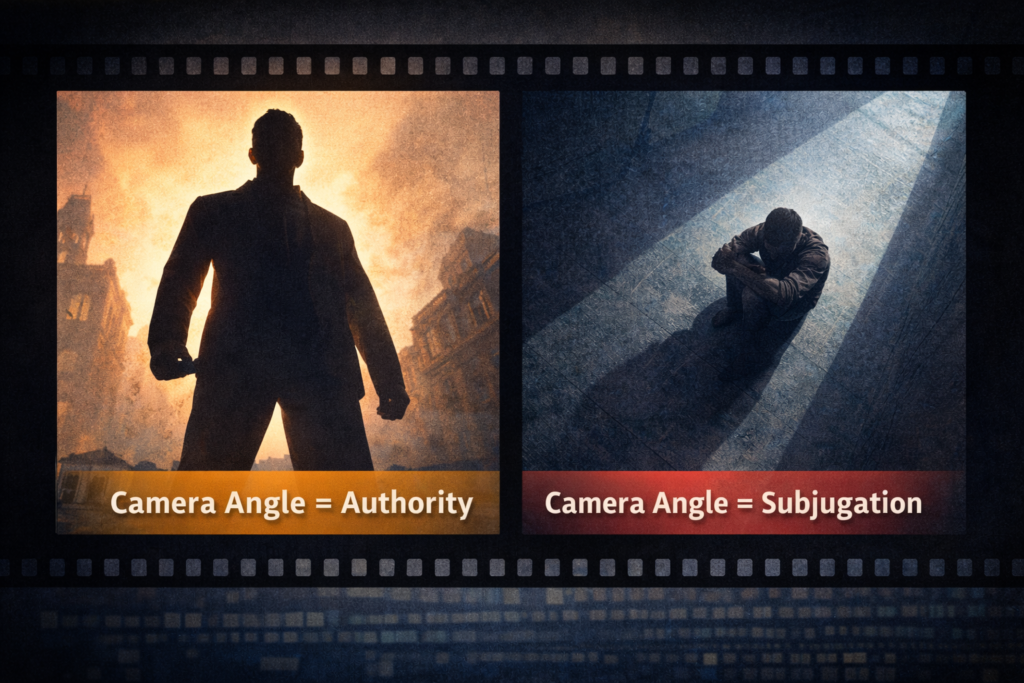
The camera is the narrator of the film. High-angle shots can make a character look weak or vulnerable, while low-angle shots grant them power and authority. In your review, identify at least two pivotal scenes where the camera movement—whether it’s a slow “dolly-in” or a frantic “handheld” shot—changed the way you perceived the story.
2. Sound Design and Diegetic vs. Non-Diegetic Sound
Sound is 50% of the cinematic experience. Diegetic sound is noise that the characters can hear (like a radio playing in a scene), while non-diegetic sound is the musical score that only the audience hears. A professional review analyzes how the soundtrack heightens the tension or provides a subtext that the dialogue might be hiding.
Developing a Scholarly Perspective
A professional review is built on a “Thesis Statement.” This is a single sentence that summarizes your unique argument about the film. Without a thesis, your review is just a list of observations. Your thesis should connect a technical element of the movie to a broader social or psychological theme.
For example, if you are reviewing a modern dystopian film, your thesis might be: “Through the use of desaturated color palettes and claustrophobic framing, the director illustrates the suffocating nature of surveillance in a post-modern society.”
If you find yourself staring at a blank page and struggling to kickstart your draft, using a tool like an Essay Typer can help generate initial ideas and structures to get your creative juices flowing before you dive into the deep analysis required for a final submission.
4. The Structural Breakdown of a Professional Review
To maintain a 1,400-word depth, you must follow a structured approach. Google rewards content that is easy to navigate, so use clear headings and bullet points to break up the text.
The Introduction (150-200 Words)
Start with a hook. This could be a controversial quote from the director, a mention of the film’s performance at the Cannes Film Festival, or its impact on pop culture in 2026. Briefly introduce the film’s title, genre, and lead actors, then transition into your thesis statement.
The Plot Summary: The “Goldilocks” Rule (200 Words)
The summary should be “just right”—not too long to spoil the movie, and not too short to leave the reader confused. Focus on the inciting incident and the central conflict. Avoid a play-by-play of the ending. In academic reviewing, the plot is merely the “data” you use to prove your analysis.
Technical Analysis: The Deep Dive (400-500 Words)
This is the most important section. Divide this into sub-sections focusing on:
- Visual Style: Discuss the lighting and color grading.
- Editing: Is the film fast-paced with many cuts, or does it use long, unbroken takes?
- Acting: Evaluate the performances. Use words like “understated,” “visceral,” or “method-driven.”
| Technical Element | What to Look For | Academic Significance |
| Lighting | Shadows (Chiaroscuro) vs. Brightness | Represents internal conflict or moral clarity. |
| Editing Pace | Fast rhythmic cuts vs. Long takes | Creates a sense of urgency or forces contemplation. |
| Framing | Rule of thirds vs. Centered framing | Suggests balance, isolation, or chaos. |
| Soundtrack | Orchestral vs. Synthesized | Establishes the historical or futuristic tone. |
5. Contextualizing the Film in 2026
In 2026, cinema is often viewed through the lens of current global issues. A professional review considers the “Zeitgeist”—the spirit of the times. How does the movie reflect modern anxieties? Whether it’s climate change, the rise of AI, or shifting political landscapes, connecting the film to the real world shows high-level critical thinking.
Cultural and Historical Impact
If you are reviewing a remake or a sequel, compare it to the original. What has changed? Usually, these changes are not accidental; they are updates made to suit modern sensibilities. Discussing these changes adds “meat” to your essay and helps you reach that 1,400-word goal while providing genuine insight.
6. Avoiding Common Writing Traps
Many 12th-grade students fall into the trap of using “I” statements. In a professional review, your opinion should be presented as an objective fact based on evidence.
- Weak: “I thought the acting was really good.”
- Professional: “The lead actor’s performance was characterized by a stoic intensity that anchored the film’s emotional core.”
By removing “I,” you make your writing sound more authoritative and scholarly.
7. The Professional Movie Review Template
Use this template to organize your thoughts before you start writing.
- Title Block: Film Title, Year, Director, Genre, Rating.
- The Hook: A compelling opening sentence.
- Context: Where does this film fit in the director’s career?
- Thesis: Your main argument.
- Evidence Paragraph 1: Visuals and Cinematography.
- Evidence Paragraph 2: Sound and Music.
- Evidence Paragraph 3: Performance and Character Arcs.
- Thematic Analysis: What is the deeper meaning?
- The Conclusion: Summarize and give a final scholarly verdict.
8. Why Peer Review and Professional Guidance Matters
Writing at this length requires multiple drafts. Even the best critics don’t get it right the first time. Reading your work aloud is a great way to catch “clunky” sentences. In 2026, the standard for media studies has risen, and professors are looking for more than just a summary—they are looking for a unique voice.
If you are struggling with the word count or the complexity of film theory terms like Semiotics or Auteur Theory, don’t be afraid to seek out specialized writing resources. Sometimes, seeing a high-quality example of a film analysis can provide the roadmap you need to finish your own assignment.
9. Conclusion: The Power of the Critic
The role of a movie critic is to be a bridge between the artwork and the audience. By writing a professional review, you are contributing to a global conversation about art and society. Whether you are posting your review on a site like 9xfllix.net or submitting it for a grade, remember that your goal is to help the reader see the film in a way they never noticed before.
Final SEO Checklist for High Ranking:
- Internal Links: Ensure you link to other movie reviews on the site.
- External Links: Link to a high-authority film database (like IMDb or Rotten Tomatoes).
- Engagement: End with a question to encourage comments (e.g., “What was the most visually striking movie you’ve seen this year?”).
By following this 1,400-word blueprint, you provide the “Helpful Content” that Google’s 2026 algorithm craves, ensuring your guest post stays on the first page and drives consistent traffic to your targeted resources.
Frequently Asked Questions
How long should a professional film critique be?
For academic purposes, a comprehensive review typically ranges between 800 and 1,500 words. This length allows you to move beyond a basic plot summary and provide a deep dive into technical elements like cinematography, sound design, and thematic symbolism.
What is the difference between a movie review and a film analysis?
A movie review is often written for a general audience to recommend whether or not they should watch a film. A film analysis, common in media studies, focuses on deconstructing how the production elements work together to create meaning, regardless of the film’s entertainment value.
Should I include spoilers in my writing?
In a professional academic review, spoilers are generally acceptable if they are necessary to analyze the narrative’s conclusion or a character’s development. However, it is standard practice to include a brief warning at the beginning of the section if you intend to reveal major plot twists.
What are the most important technical elements to analyze?
While every film is different, you should generally focus on the “big three”: cinematography (visuals), mise-en-scène (the arrangement of everything in the frame), and editing (the pace and flow of the story). These three components usually provide the strongest evidence for your central thesis.
About The Author
Lucy Wilson is a seasoned content strategist and academic consultant with a passion for bridging the gap between digital media and student success. Representing MyAssignmentHelp, Lucy specializes in creating comprehensive guides that empower learners to master complex subjects through clear, actionable advice. When not analyzing the latest cinematic trends, Lucy can be found exploring the evolving landscape of global education and media literacy.