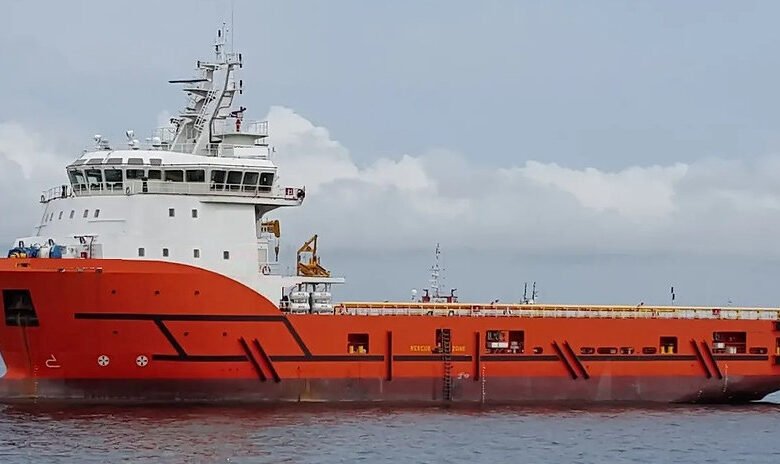
Offshore energy operations depend on a sophisticated logistics network that keeps drilling rigs, production platforms, and subsea systems supplied with critical materials. Among the most essential ships supporting these operations is the sov vessel, commonly associated with offshore support vessel design concepts that prioritize safety, efficiency, and operational flexibility. In modern offshore engineering discussions, the sov vessel concept often overlaps with advanced offshore supply vessel capabilities, including platform supply vessel configurations.
As offshore oil, gas, and renewable energy operations expand into deeper waters and more complex environments, vessel design has evolved significantly. Engineers must now create ships capable of carrying diverse cargo types, maintaining precise positioning near offshore structures, and operating safely in unpredictable ocean conditions.
A modern sov vessel design integrates several advanced engineering features. These include dynamic positioning systems such as DP2 technology, optimized deck layouts for cargo handling, and sophisticated tank arrangements that allow vessels to transport multiple types of liquids and materials simultaneously.
Understanding how these design elements work together provides insight into why these vessels remain indispensable to offshore logistics in 2026. This guide explores the essential engineering principles behind sov vessel design, explaining how naval architects optimize these ships for performance, safety, and operational efficiency.
The Role of the Sov Vessel in Offshore Supply Operations
Offshore installations operate far from land-based infrastructure and require constant logistical support to maintain production and drilling activities. A sov vessel functions as a vital link between shore bases and offshore facilities, transporting supplies, equipment, and operational materials needed for day-to-day operations.
Unlike traditional cargo ships, offshore support vessels must operate in close proximity to oil platforms, drilling rigs, and subsea structures. This requires exceptional maneuverability and precise station-keeping capabilities.
A sov vessel is designed to carry a wide range of cargo types. Solid cargo typically includes pipes, containers, spare parts, construction materials, and specialized equipment required for offshore operations. Liquid cargo may include drilling fluids, fuel, fresh water, and industrial chemicals used during drilling and production activities.
Because offshore platforms rely on consistent supply deliveries, these vessels must operate reliably under challenging weather conditions while maintaining strict safety standards.
Core Principles of Modern Sov Vessel Design
Naval architects designing a sov vessel must balance several competing priorities. Cargo capacity must be maximized while ensuring the vessel remains stable and maneuverable. Deck space must accommodate a variety of equipment while allowing safe loading and unloading operations.
Another major consideration is vessel endurance. Offshore supply vessels often travel long distances between shore bases and offshore installations, which means propulsion efficiency and fuel storage capacity play important roles in the overall design.
Structural strength is also essential because these ships must withstand rough seas and heavy cargo loads. Modern hull designs use advanced steel structures and internal reinforcement systems to distribute stress and maintain durability throughout the vessel’s operational life.
Every design decision influences the vessel’s operational performance, which is why naval architects rely heavily on advanced modeling tools and practical operational experience when developing these ships.
DP2 Dynamic Positioning Systems and Their Importance
One of the defining features of a modern sov vessel is the use of dynamic positioning technology. Offshore supply operations require vessels to maintain extremely precise positions when transferring cargo to platforms or drilling rigs.
Dynamic positioning systems use a combination of satellite navigation, motion sensors, and computer-controlled thrusters to maintain the vessel’s position automatically. Among the different dynamic positioning classifications, the DP2 system has become one of the most widely used standards in offshore support vessel design.
A DP2 system is designed with redundancy to ensure reliability during operations. If one component of the positioning system fails, backup systems can continue maintaining vessel position without interruption.
This redundancy is particularly important when operating near offshore structures where accidental movement could pose safety risks. DP2 technology allows the vessel to compensate for wind, waves, and ocean currents by adjusting thrusters in real time.
The integration of DP2 systems significantly improves safety and operational efficiency during offshore supply missions.
Deck Layout Design for Offshore Cargo Handling
The deck layout of a sov vessel is one of the most important aspects of its overall design. Offshore platforms often require large quantities of equipment and materials that must be delivered quickly and efficiently.
A wide open cargo deck allows for flexible cargo arrangements and easy access for cranes and lifting equipment. Naval architects must ensure that the deck structure can support heavy loads while maintaining proper weight distribution.
Cargo securing systems are also essential for preventing movement during transit. Offshore environments can produce strong waves and sudden vessel motions, which means cargo must be carefully secured to avoid safety hazards.
Deck layout design also considers operational workflow. Efficient layouts allow crew members to move equipment safely and reduce the time required for loading and unloading operations.
The arrangement of cargo spaces, crane access points, and safety zones all contribute to the overall effectiveness of the vessel’s deck design.
Cargo Capacity and Multi-Purpose Tank Systems
A modern sov vessel must handle both solid and liquid cargo simultaneously. This requirement has led to the development of sophisticated cargo tank systems located beneath the vessel’s main deck.
These tanks are used to transport materials such as drilling mud, fuel, fresh water, and specialized industrial chemicals. Each cargo type must be stored separately to prevent contamination and ensure safe handling.
Naval architects design these tank systems with multiple compartments and advanced pumping systems that allow cargo to be transferred efficiently between the vessel and offshore installations.
Cargo capacity calculations are carefully performed during the design process to ensure the vessel can carry sufficient supplies while maintaining proper stability.
Weight distribution plays a critical role in vessel performance. Engineers must ensure that cargo loads are balanced to prevent excessive tilt or instability during transit.
These considerations allow the sov vessel to transport a diverse range of materials required for offshore operations.
Stability and Safety in Offshore Vessel Design
Operating in offshore environments requires vessels to maintain exceptional stability under varying conditions. Waves, wind, and cargo movement can all influence vessel behavior.
Naval architects perform detailed stability calculations to ensure the vessel remains balanced even when carrying heavy loads or operating in rough seas.
Ballast systems allow crew members to adjust the vessel’s weight distribution by filling or emptying tanks with seawater. This capability helps maintain stability during cargo transfers and long voyages.
Safety systems also play an important role in sov vessel design. Modern vessels incorporate advanced navigation technology, communication systems, and emergency response equipment to ensure safe operations.
Crew accommodations are also carefully designed to provide safe and comfortable living conditions during extended offshore missions.
Technology and Innovation in Sov Vessel Design
As offshore industries evolve, sov vessel design continues to incorporate new technologies that improve efficiency and sustainability.
Advanced propulsion systems are being developed to reduce fuel consumption and emissions. Hybrid propulsion technologies and improved engine efficiency are helping vessels operate more sustainably.
Digital monitoring systems also allow operators to track vessel performance in real time. Sensors installed throughout the ship provide data on engine performance, fuel usage, cargo systems, and environmental conditions.
These technologies allow operators to optimize vessel operations and reduce maintenance costs through predictive maintenance strategies.
Innovation in ship design ensures that offshore support vessels remain capable of meeting the evolving demands of offshore energy operations.
Frequently Asked Questions About Sov Vessel Design
What is a sov vessel?
A sov vessel refers to an offshore support vessel concept that includes advanced design features used for supporting offshore operations such as transporting cargo, maintaining station near platforms, and supporting offshore infrastructure.
What does DP2 mean in offshore vessels?
DP2 refers to a dynamic positioning classification that includes redundant systems capable of maintaining vessel position even if one component fails.
Why is deck layout important in offshore supply vessels?
Deck layout affects how cargo is stored, handled, and transferred. Efficient layouts improve safety and reduce operational delays during loading and unloading operations.
What types of cargo can a sov vessel carry?
These vessels can carry both solid cargo such as equipment and containers and liquid cargo such as fuel, drilling fluids, fresh water, and chemicals.
How do offshore vessels maintain stability?
Stability is maintained through careful design, ballast systems, and proper cargo distribution. Naval architects perform detailed calculations to ensure the vessel remains balanced under various conditions.
Are modern offshore vessels environmentally friendly?
Many newer vessels incorporate fuel-efficient engines, hybrid propulsion systems, and energy management technologies to reduce emissions and improve sustainability.
Conclusion: Engineering Excellence Behind Modern Sov Vessel Design
Offshore operations rely on highly specialized ships that can operate safely and efficiently in some of the most demanding environments on Earth. The sov vessel represents a sophisticated example of modern ship design, combining advanced engineering, operational flexibility, and safety-focused technology.
From the integration of DP2 dynamic positioning systems to carefully optimized deck layouts and cargo tank arrangements, every aspect of these vessels is designed to support the complex logistical needs of offshore energy production.
Naval architects must balance cargo capacity, stability, propulsion efficiency, and safety when developing these ships. Their work ensures that offshore platforms receive the supplies and equipment needed to maintain continuous operations.
As offshore industries expand and evolve, sov vessel design will continue to incorporate new technologies and innovations that improve efficiency, sustainability, and operational reliability.
Understanding how these vessels are designed provides valuable insight into the engineering expertise required to support modern offshore logistics and energy production.